

Design-Build vs. Traditional Construction: Which Is Best for Your Project?
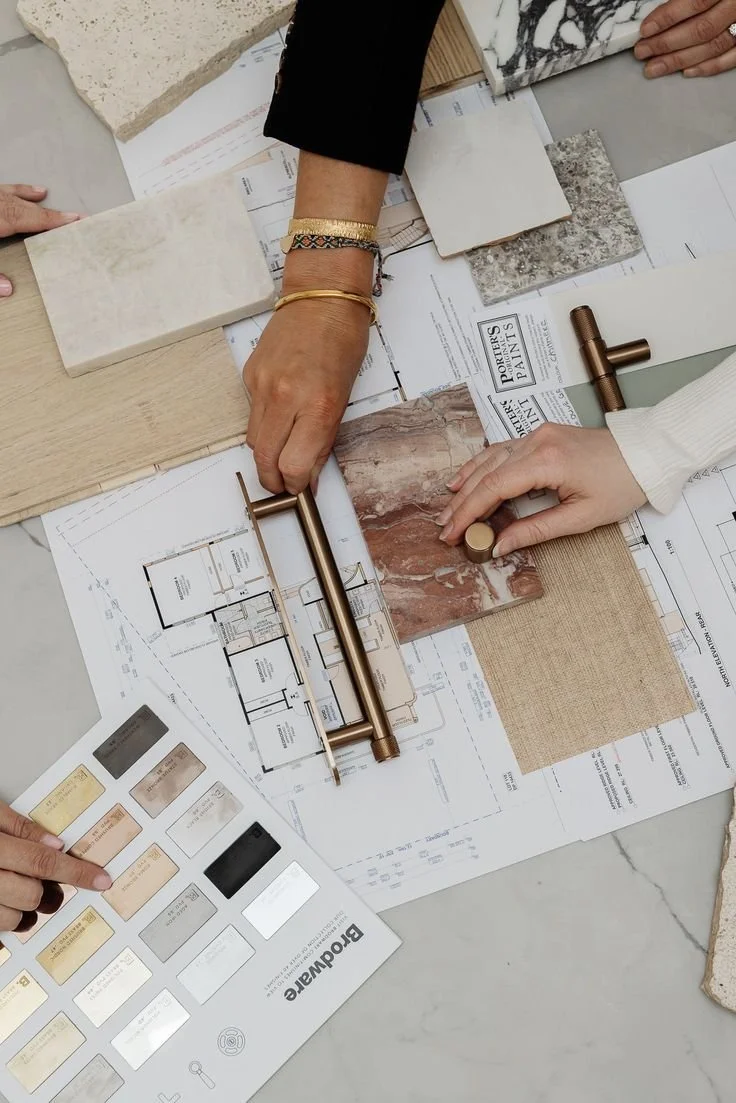
When starting a custom home project, one of the first questions homeowners ask is: “Where do I even begin?”
The answer usually comes down to choosing between two approaches: traditional construction or design-build. Both can create beautiful homes, but the experience, communication, budget, and timeline can look very different depending on the path you choose.
At Laurel Wreath Homes, our process blends the strengths of both. We combine the collaboration and efficiency of design-build with the flexibility and craftsmanship of traditional custom construction. Because we’ve worked with the same trusted architects, trades, and designers for years, our clients benefit from a smoother and more personalized experience.
What Is Traditional Construction?
Traditional construction separates the design and building phases into different teams. Homeowners usually hire an architect or designer first, finalize how they want the project to look, and then bring those plans to contractors for pricing and construction.
Benefits
Flexibility in choosing separate professionals
Competitive contractor bidding
Cheaper overall costs
Flexibility to choose all your products
Challenges
Communication gaps between teams
Budget surprises after plans are complete
Longer timelines
Heavier need for homeowner coordination
Many homeowners searching for “custom home builders near me” or “luxury home renovations in Massachusetts” are surprised to learn that pricing often isn’t finalized until after the builder design phase. Even then, unexpected surprises can occur as costs continue to rise.
What Is Design-Build?
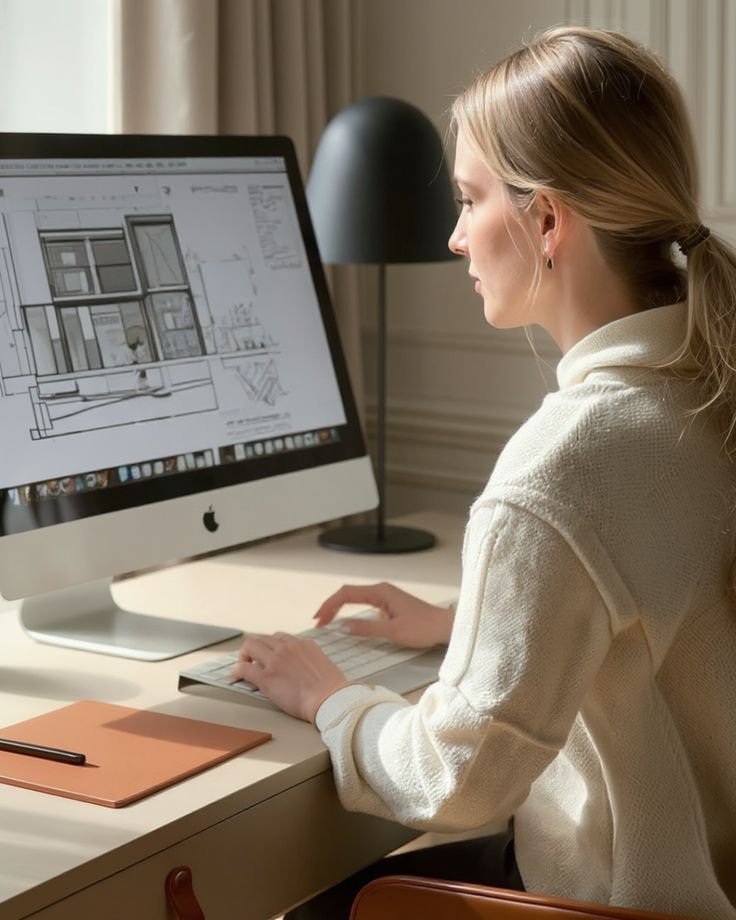
Design-build combines design and construction into one collaborative team from the start. Instead of managing multiple companies, homeowners work with a single firm throughout the process.
Benefits
Streamlined communication
Project runs smoother overall
Better budget alignment early on
Fewer surprises during construction
Challenges
Longer lead times
Smaller range of materials selections
Limits on chang orders and design hours
More expensive overall (you’re paying for all that coordination!)
For homeowners searching “home remodeling near me,” this approach is often appealing because it simplifies the process.
Where Laurel Wreath Homes Fits In
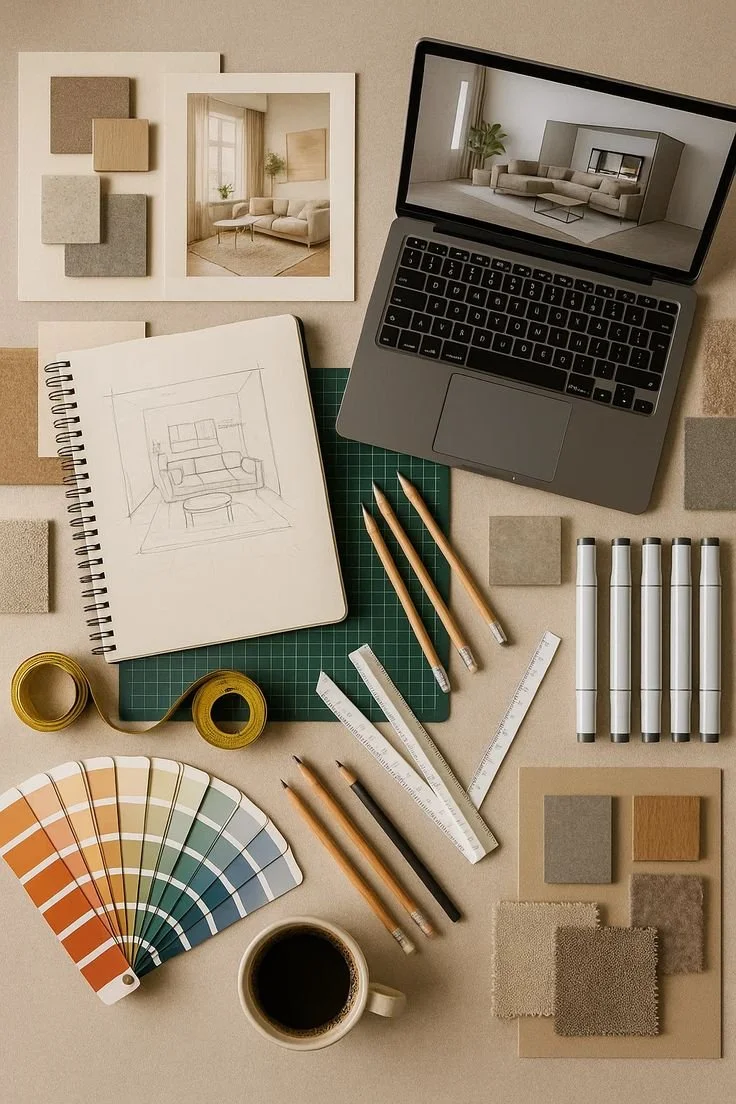
At Laurel Wreath Homes, we take a collaborative approach that combines the best of both systems. We guide homeowners from the early planning stages through final finishes while maintaining the flexibility and attention to detail that custom homes deserve.
We work on:
Custom home construction
Interior design selections
Kitchen and bathroom remodels
Home additions
Luxury renovations
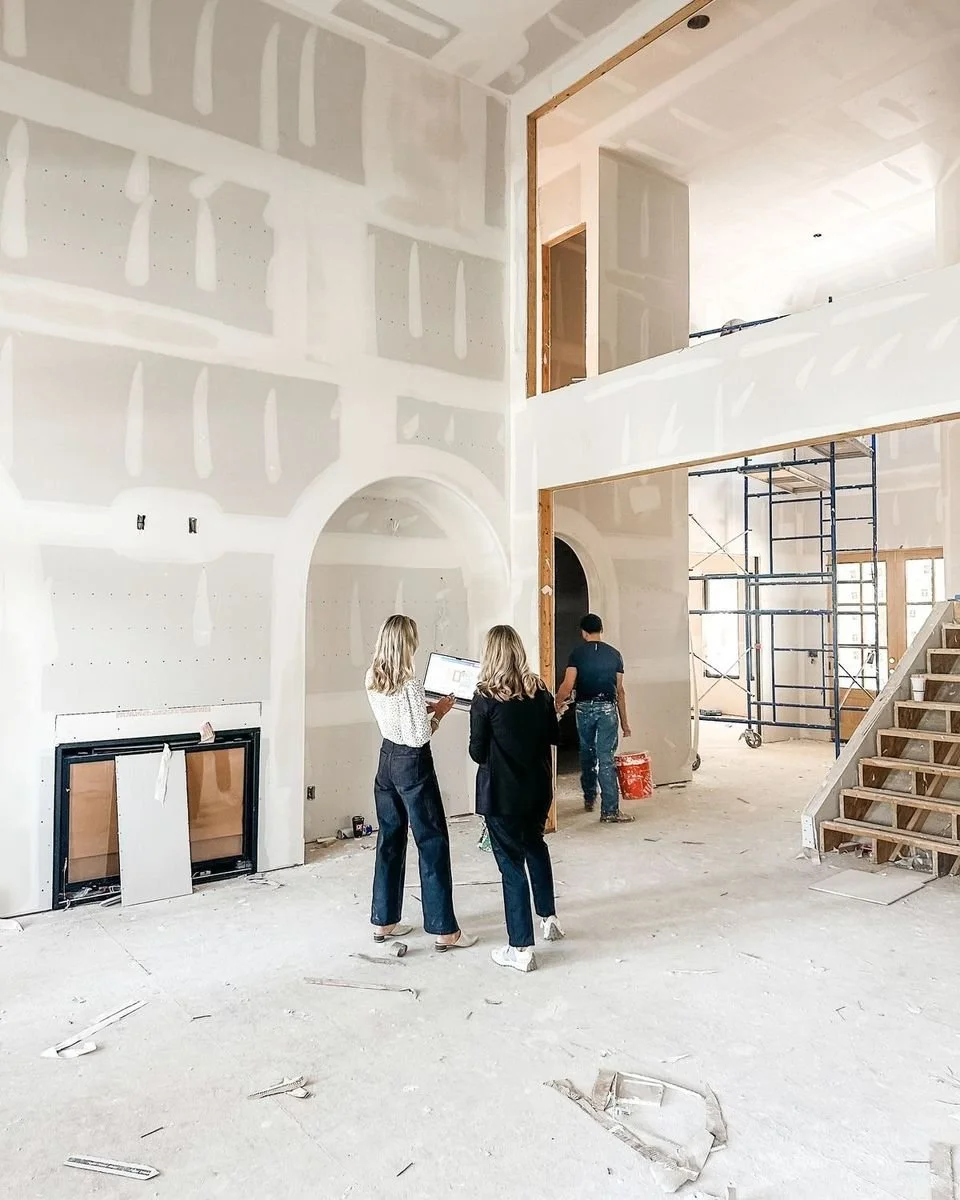
Obviously we’re not the ones on site swinging hammers! But we do work with several local General Contractors who have their trade teams at the ready. We work with the GC’s closely so that all parties are on the same page when it comes to executing our designs. Laurel Wreath Homes also employs a roster of tradesmen (think electricians, carpenters, architects, etc.) so we know who to call for a smaller project (one that needs a few trades, not every single one).
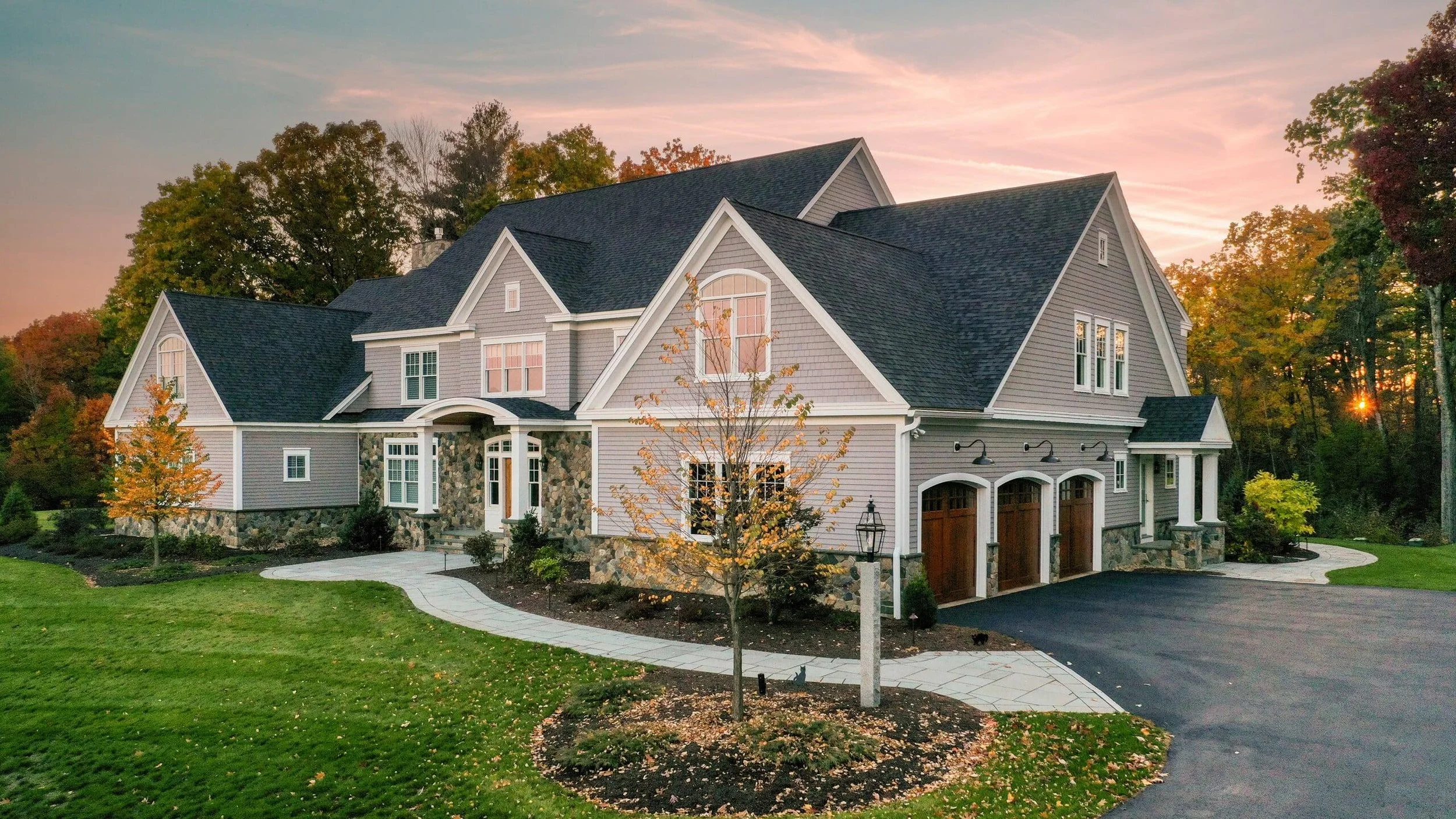
Serving Massachusetts Homeowners
We proudly work with homeowners throughout Greater Boston and MetroWest Massachusetts, including:
Medfield
Needham
Wellesley
Dover
Sherborn
Natick
Weston
Whether you’re planning a custom build, remodel, or interior redesign, working with a team that understands both design and construction can make all the difference.
Final Thoughts
A successful home project starts with choosing the right team and process. Whether you choose traditional construction, design-build, or a hybrid approach, clear communication, thoughtful planning, and quality craftsmanship are what truly shape the experience.
Interested in learning more? Schedule an online consultation to discuss your project in detail.