

Open Concept Vs Broken-Plan Kitchens: Which Is Better For Your Home?
If you've been thinking about renovating your kitchen, you've probably noticed something interesting happening in the design world. After decades of tearing down walls in the name of open-concept living, there's a new trend gaining momentum: the broken-plan kitchen.
Before you panic thinking we're going back to closed-off 1980s layouts, let me reassure you, we're not. Broken-plan design isn't about building walls back up. It's about finding that sweet spot between the airy openness we all love and the practical zones that actually make day-to-day life easier.
So which approach is right for your home? Let's dive in.
What Exactly Is an Open-Concept Kitchen?
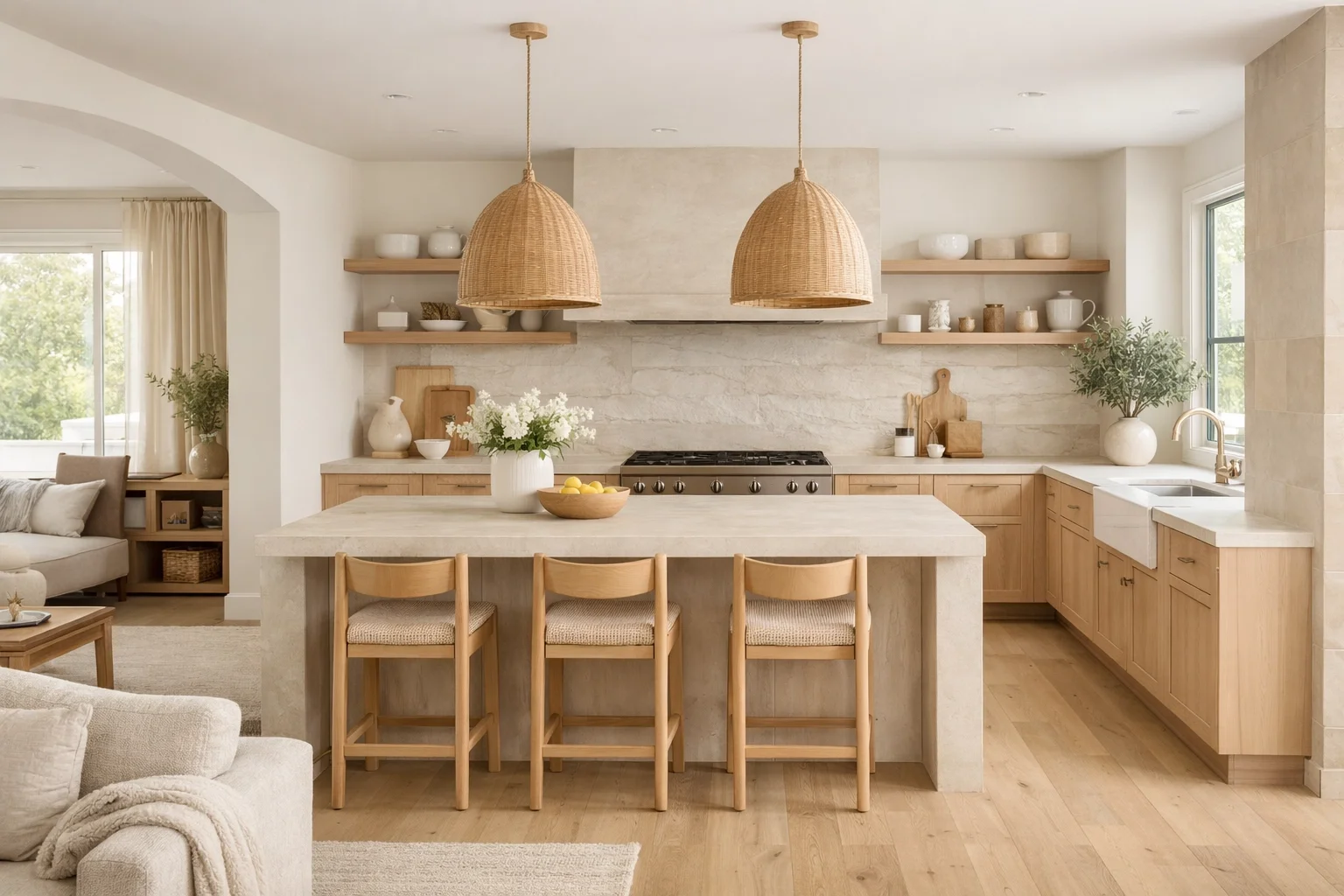
You know this layout well, it's been the gold standard for modern homes for years. An open-concept kitchen has no walls separating it from your living or dining areas. Everything flows together into one large, continuous space.
The appeal is obvious. You can chat with guests while you're prepping dinner, keep an eye on the kids doing homework at the dining table, and the whole area feels bigger and brighter. Natural light flows freely, and there's something undeniably welcoming about the setup.
The benefits are real:
Your home feels more spacious, especially if you're working with a smaller footprint
Social interaction becomes effortless during gatherings
Sight lines are unobstructed, making supervision easier
Higher resale value (many buyers specifically seek out open layouts)
But here's the catch:
Cooking smells travel everywhere (hello, salmon dinner lingering in your living room curtains)
Noise carries, the blender at 7 AM becomes everyone's problem
Limited wall space means fewer cabinets for storage
Everything is on display, so dishes in the sink are visible from the couch
Enter the Broken-Plan Kitchen
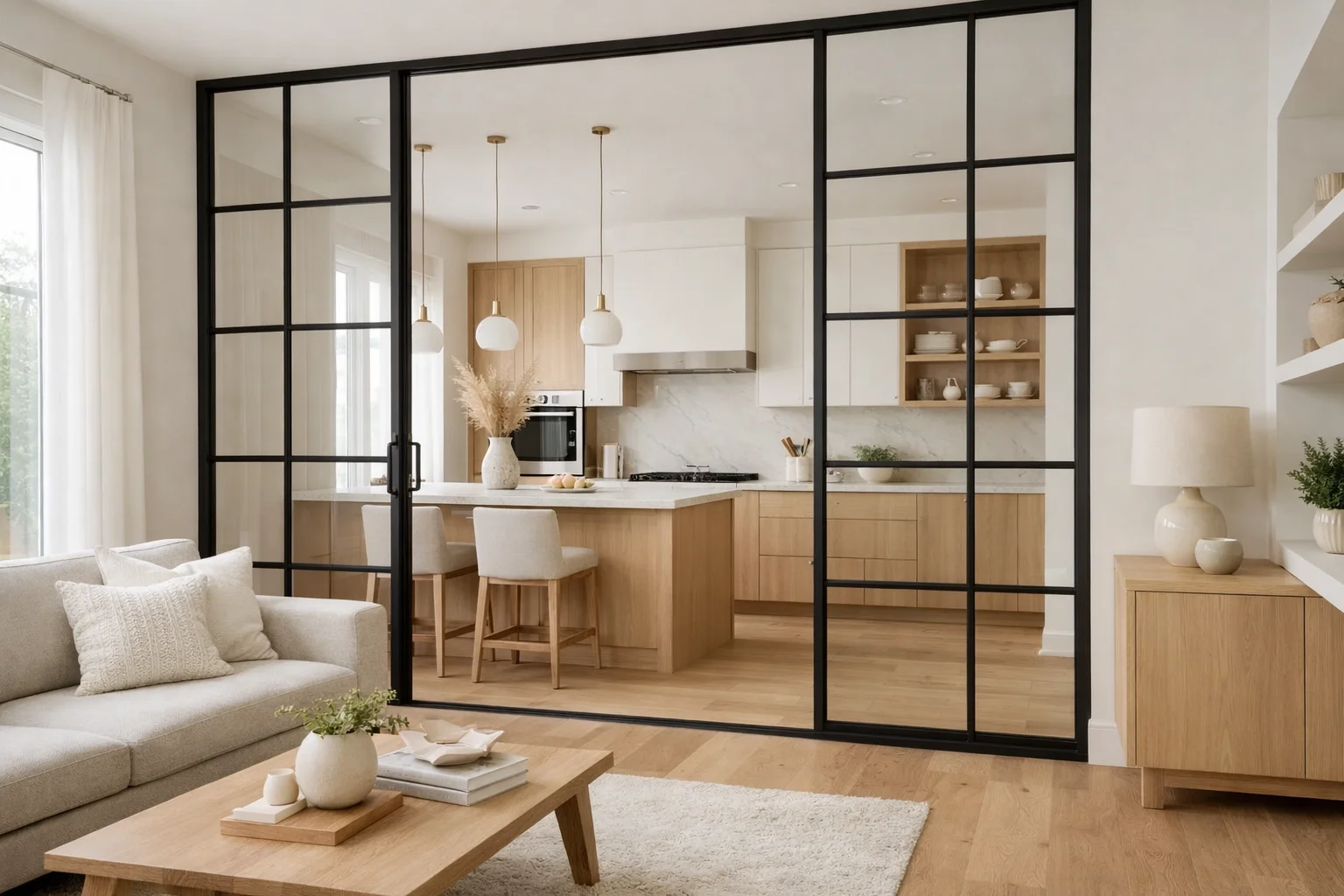
Think of broken-plan design as open concept's more thoughtful sibling. You still get that spacious, connected feeling, but with strategic separations that create distinct zones without full walls.
These separations might include:
Glass partitions or sliding doors
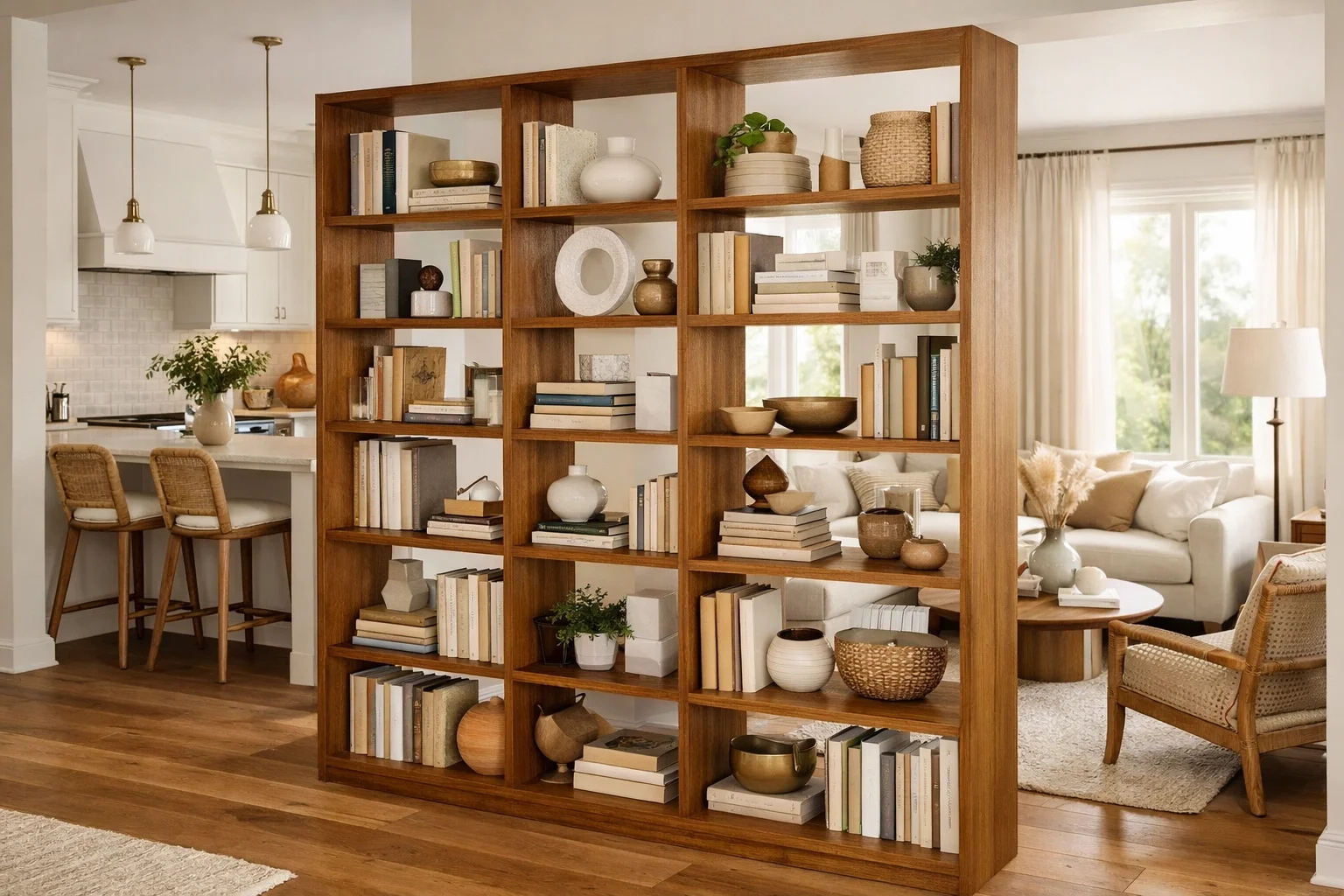
Half-walls with open shelving
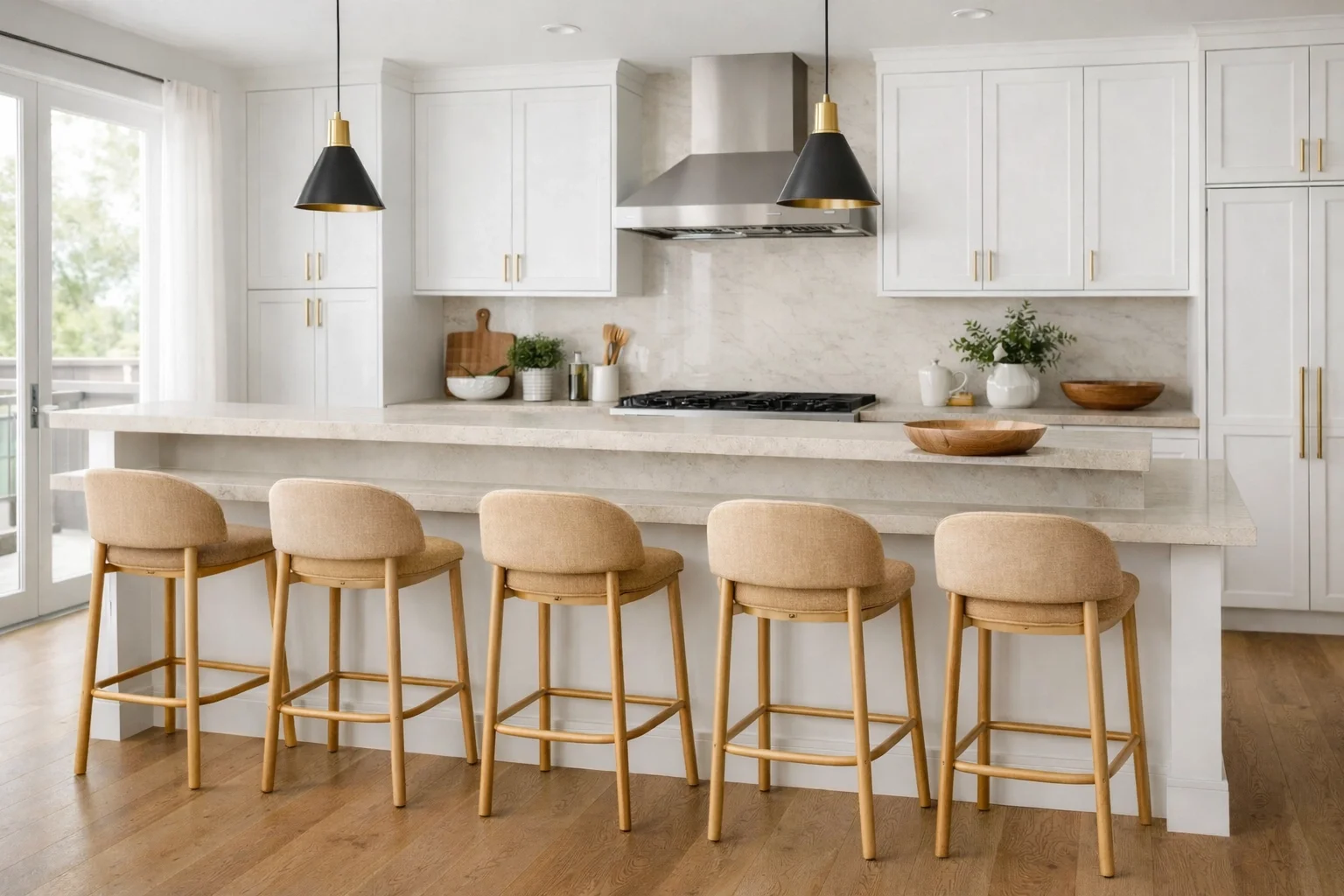
Kitchen islands with raised sections
Freestanding furniture pieces
Changes in flooring or ceiling height
Strategic lighting that defines different areas
The genius of this approach? You maintain visual connection and natural light flow while gaining back some of the practical benefits of separate rooms. You can cook a fragrant curry without fumigating your reading nook. The TV in the living room doesn't compete with dishwasher noise. And when you're entertaining, you can engage with guests while keeping the post-dinner cleanup a bit more private.
What Works Best for Your Lifestyle?
We see a beautiful mix of architectural styles, from classic Colonials to modern new builds. The kitchen layout that works best really depends on how you live in your home.
Consider open concept if:
You love to entertain and want to be part of the action while cooking
You have a smaller home and need to maximize the feeling of space
Your household is active and you want easy supervision of kids or pets
You don't mind visible messes or cooking during social time
You're planning to sell soon and want broad market appeal
Broken-plan might be your winner if:
You work from home and need some acoustic separation
You're a serious cook who generates lots of cooking odors or noise
You want flexibility, sometimes open, sometimes more private
You have multiple people using the space for different activities simultaneously
You appreciate the open feel but miss having some definition between spaces
The Budget Factor You Can't Ignore
Let's talk real numbers for a second. If you're converting an existing closed kitchen to fully open concept, removing even a single load-bearing wall can start at $7,000, and that's before you factor in structural engineering, permits, and finishing work.
Broken-plan kitchens can actually be more budget-friendly since you're not necessarily doing major structural work. A beautiful glass partition, a strategic half-wall, or even clever furniture placement can create the separation you need without the construction costs.
That said, broken-plan does require more thoughtful design work. You can't just knock down walls and call it a day, you need to intentionally create zones that work together cohesively. This is where working with a boutique interior design studio that understands both aesthetics and function becomes invaluable.
Creating Zones That Actually Work
The magic of a well-designed broken-plan kitchen is in the details. Here are some of our favorite ways to create effective zones:
The conversation barrier: A kitchen island with a raised section serves as a natural divider. People can perch on stools and chat with the cook, but the raised portion prevents them from seeing every bit of meal prep chaos.
The glass compromise: Floor-to-ceiling glass doors or partitions maintain that open, light-filled feeling while containing cooking odors and noise. You can slide them open when you want full connection or close them when needed.
The furniture divider: A beautiful bookshelf, console table, or even a piano (we've done this!) can define where the kitchen ends and living space begins without blocking light or views.
The level change: A slight step-down or step-up between spaces creates a natural boundary that your brain recognizes, even though the spaces remain visually connected.
How We Approach Kitchen Design
At Laurel Wreath Homes, we never push a one-size-fits-all solution. When clients come to us for kitchen design, we start by really understanding how they live. Do you host dinner parties every weekend? Work from home with video calls happening while your partner makes lunch? Have teenagers who raid the fridge at all hours?
Your answers to these questions matter more than any trend.
We've designed stunning open-concept kitchens for clients who wanted that full-connection entertaining vibe. We've also created gorgeous broken-plan spaces for families who needed zones without sacrificing light or spaciousness. Sometimes we even land somewhere in between, a mostly open plan with one clever partition that can be closed when needed.
The key is designing for your specific lifestyle, your home's architecture, and your budget. As a boutique interior design studio, we have the flexibility to customize solutions rather than defaulting to whatever's trending on Instagram this week.
The Advantage
One thing we love about designing kitchens? The quality of the homes we get to work in. Whether you're in a historic Victorian, a mid-century gem, or a contemporary new build, there's real architectural character to work with.
That matters because the best kitchen layout honors your home's existing style while updating it for modern living. A broken-plan approach can actually be perfect for preserving the charm of period homes while making them work for today's lifestyle. You get to keep architectural details and sight lines that make your home special, while adding the openness and functionality you need.
So, Which One Should You Choose?
Here's the truth: neither option is objectively better. The right choice depends entirely on you.
If you're still on the fence, consider this: broken-plan design offers more flexibility. You can have openness when you want it and separation when you need it. For many homeowners, this adaptability wins out.
But if you're someone who genuinely loves a fully open space and the trade-offs don't bother you, then classic open concept might be your perfect fit.
The good news? You don't have to figure this out alone. Working with an experienced kitchen designer near me (yes, that's us!) means you get expert guidance tailored to your specific home, needs, and budget.
Ready to explore what layout would work best for your home? Let's talk. We'd love to help you create a kitchen that's not just beautiful, but genuinely works for the way you live.
Interested in learning more? Schedule an online consultation to discuss your project in detail.